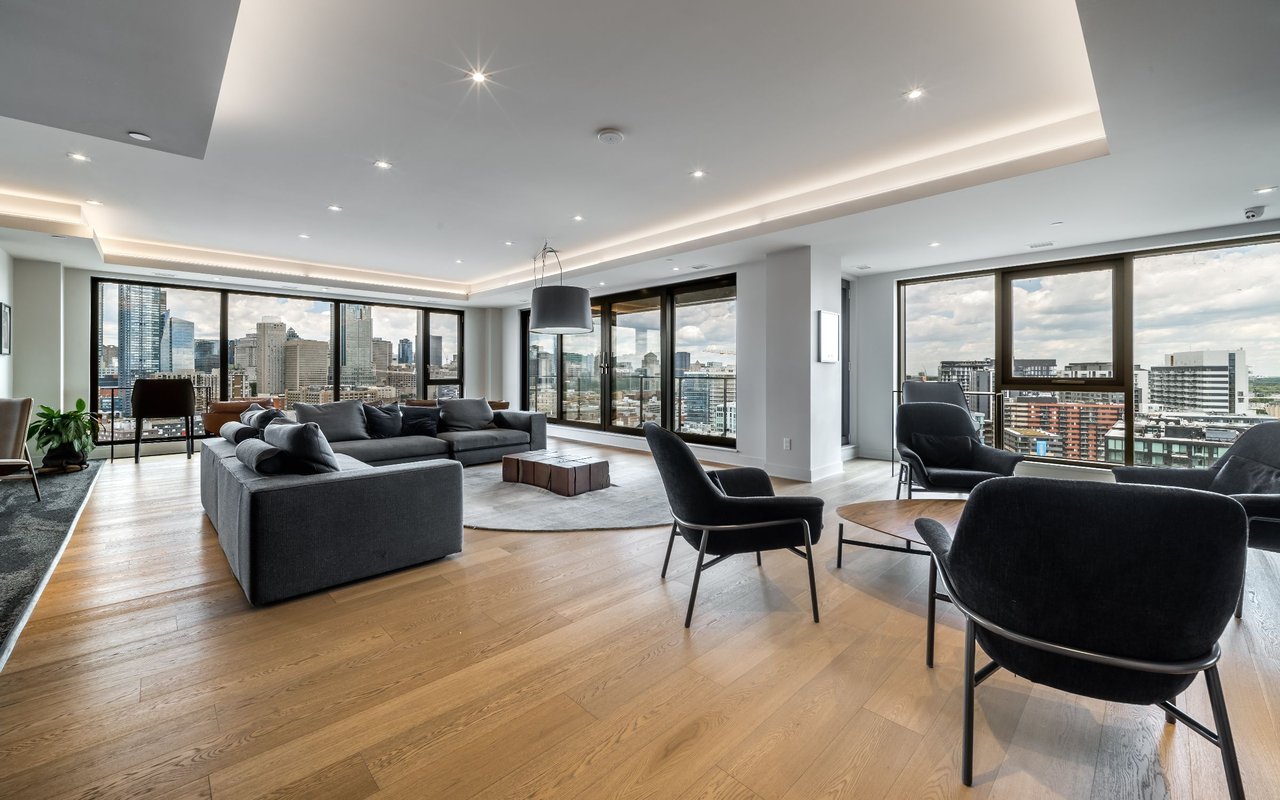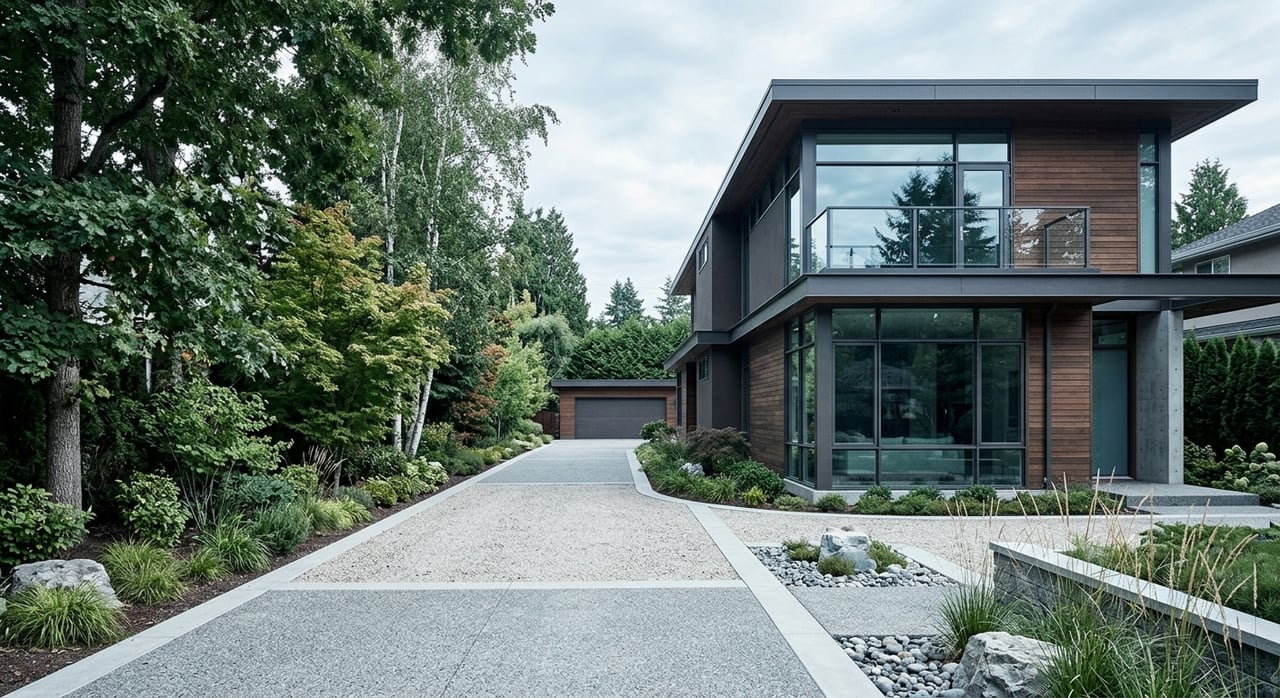
If you are buying, selling, rebuilding, or combining lots in Bellaire, one detail can change the entire plan: the lot itself may not work the way you expect on paper. A parcel’s size is only part of the story. Zoning district, setbacks, lot width, plat status, deed restrictions, and floodplain rules can all affect what you can do next. This guide will help you understand how Bellaire lot sizes, zoning, and replats fit together so you can make more informed decisions before you commit. Let’s dive in.
Start With Zoning First
In Bellaire, the city’s own guidance is to identify the property’s zoning district first by checking the official zoning map and city guidance, then compare that parcel to the applicable setback sheet or Chapter 24 of the code. That step matters because Bellaire includes multiple residential districts, along with other district types and overlays.
The city also notes that its maps are for general informational use only. They are not a survey and should not replace a boundary survey or plat review. In practical terms, that means you should verify the exact parcel conditions before assuming a lot follows a standard residential pattern.
Bellaire’s zoning framework is also current and active, not just a legacy map. The city adopted its current comprehensive plan on April 1, 2024, and the Planning and Zoning Commission says its recommendations on plats and zoning must conform to that plan.
Know Bellaire’s Main Residential Districts
For many buyers and owners, the most useful starting point is Bellaire’s residential setback sheet. It summarizes minimum lot area, width, depth, setbacks, floor area, height, and lot coverage for the standard residential districts.
R-1 Standards
R-1 requires a minimum lot area of 14,000 square feet, minimum width of 80 feet, and minimum depth of 125 feet. The front setback is 50 feet, side setback is 8 feet, rear setback is 10 feet, maximum lot coverage is 55%, and maximum building height is 2.5 stories.
R-3 Standards
R-3 requires a minimum lot area of 7,400 square feet, minimum width of 60 feet, and minimum depth of 100 feet. The front setback is 30 feet, rear setback is 10 feet, and side setbacks are 6 feet on lots 90 feet wide or less and 8 feet on lots wider than 90 feet. Maximum lot coverage is 55%, and maximum building height is 2.5 stories.
R-4 Standards
R-4 requires a minimum lot area of 5,000 square feet, minimum width of 50 feet, and minimum depth of 100 feet. The front setback is 25 feet and rear setback is 10 feet. Side setbacks are 5 feet on lots under 70 feet wide, 6 feet on lots from 70 to 90 feet wide, and 8 feet on lots wider than 90 feet.
For lot coverage, the setback sheet shows 60% on lots 7,000 square feet and smaller. On larger lots, the sheet shows a 4,200-square-foot cap or 55%. Maximum building height is 2.5 stories.
R-5 Standards
R-5 also requires a minimum lot area of 5,000 square feet, minimum width of 50 feet, and minimum depth of 100 feet. The front setback is 25 feet, rear setback is 10 feet, and side setbacks follow the same width-based structure as R-4. Maximum lot coverage is 55%, and maximum building height is 2.5 stories.
Why Lot Width Matters So Much
A lot can look generous by square footage and still be limited in real life. That is because setback rules work together with width, depth, and coverage limits. If a parcel is narrow or irregularly shaped, the actual building envelope may be smaller than you expect.
That is one reason Bellaire lot analysis should not stop at total area. Width often has a major effect on side setbacks, and front setbacks can significantly reduce usable depth. When you are comparing lots for a future build or major renovation, those dimensions matter as much as the headline square footage.
Look Beyond the Main House Footprint
Bellaire’s setback sheet includes several fine-print items that can affect planning. The city states that architectural projections such as bay windows and roof eaves can project up to 3 feet into the side yard.
Accessory structures are also part of the conversation. The city identifies storage buildings, garages, and swimming pools as accessory structures, and says they generally need 3 feet on interior lots, 10 feet on the side street of corner lots, and 5 feet in the rear yard, according to the setback sheet.
Lot coverage is another common surprise. Bellaire counts many hardscape items toward coverage, including the house and garage footprints, driveways, sidewalks, patios, paved decks, half of wooden decks, and storage buildings. If you are planning outdoor features, this can affect what fits.
What a Plat Actually Does
Bellaire defines a plat as the recorded survey-style document showing lot lines, easements, setbacks, streets, alleys, and similar features. In other words, the plat is a key legal document for understanding how a parcel is arranged and what recorded conditions apply.
According to the city’s plat and replat FAQ, a replat modifies an existing plat, typically to increase the number of lots. The same FAQ also states that a replat may not amend or remove existing covenants or deed restrictions.
Replat vs. Amended Plat
This distinction matters in Bellaire because the city treats these as different paths. A replat generally applies when an existing plat is being modified, often to increase the number of lots.
An amended plat, by contrast, is used when a lot line between two adjacent lots is removed so the two lots become one larger lot. Bellaire says this may be the route a property owner needs when building across two adjoining lots or when buying the neighboring lot for an accessory structure such as a pool, pool house, or garage.
That difference is important for buyers considering side-by-side parcels. It is also relevant for owners thinking about expanding their improvements across two lots rather than keeping each parcel functionally separate.
Who Reviews Bellaire Replats
Bellaire’s Boards and Commissions page explains that the Planning and Zoning Commission reviews and approves subdivision plats and replats. The Board of Adjustment handles variances and special exceptions to Chapter 24.
If a zoning change itself is needed, the city says Planning and Zoning makes a recommendation and City Council makes the final decision after the required public hearing process. That means platting, variances, and zoning changes are related, but they are not the same thing.
Texas law adds another layer. Under Texas Local Government Code Chapter 212, replats can require notice and hearing procedures in certain residential situations, and state law also recognizes an amending-plat path in some cases where lot count does not increase and other conditions are met.
Bellaire’s Process Is Formal
Bellaire publicly posts plat submittal requirements and checklists for preliminary plats, final plats, and amending plats. That is a useful reminder that lot splits and lot combinations are not informal side agreements. They move through a recorded-document process with specific drawing and title requirements.
For serious buyers, sellers, and builders, this matters because a property’s future value may depend on whether a proposed lot change is actually feasible under the city’s process. A concept that sounds simple can still require formal review, notice, approvals, and updated recorded documents.
Deed Restrictions Still Matter
Zoning is only one layer of the analysis. Bellaire states in its FAQ that deed restrictions are not part of zoning and are not enforced by the city. The setback sheet also reminds property owners and builders to check deed restrictions separately.
That means a lot can comply with city zoning standards and still face private restrictions. If you are evaluating redevelopment potential, combining lots, or changing improvements, you want both layers reviewed before making assumptions.
Floodplain Rules Can Affect Rebuild Plans
Floodplain regulation can also shape what makes financial and practical sense. Bellaire’s development in the floodplain guidance says all development needs required permits and that the zoning ordinance, flood damage prevention ordinance, and building codes contain special floodplain provisions.
The city explains that under NFIP rules, a reconstruction, rehabilitation, addition, or other improvement over a 365-day period costing 50% or more of the structure’s market value is considered a substantial improvement and must meet new-construction standards. Bellaire also states that it applies a higher standard by requiring construction at or above the Design Flood Elevation.
For buyers looking at older homes or major remodel opportunities, that can materially affect scope, budget, and timing.
A Practical Bellaire Lot Review Checklist
Before you rely on a lot’s apparent potential, work through the basics in order:
- Confirm the parcel’s zoning district using the city map.
- Compare the lot’s dimensions to the applicable setback sheet.
- Review width, depth, setbacks, and lot coverage together.
- Check whether the property is in a special district or floodplain.
- Review deed restrictions separately.
- Determine whether the plan calls for a permit, amended plat, replat, variance, or another approval path.
Bellaire’s Development Services department is the city’s public point of contact for zoning, permits, and inspections, and the city uses SmartGov for electronic submittals.
What This Means for Buyers and Sellers
If you are buying in Bellaire, lot analysis can help you avoid expensive surprises. A parcel may be attractive for a custom home, expansion, or lot combination, but the buildable reality depends on zoning, platting, restrictions, and floodplain considerations working together.
If you are selling, these same details shape how your property should be positioned. Clear information about lot dimensions, zoning context, and any relevant plat history can improve buyer confidence and help serious purchasers evaluate the opportunity more efficiently.
In a market like Bellaire, informed guidance matters because two properties with similar square footage can offer very different future options. If you want experienced, detail-oriented help evaluating a Bellaire property or positioning one for sale, Hedley Karpas offers thoughtful, high-touch representation grounded in local market knowledge.
FAQs
What should you verify first about a Bellaire lot?
- Start by confirming the property’s zoning district on the city zoning map, then compare the parcel to the applicable setback sheet and recorded plat information.
What is the difference between a Bellaire replat and an amended plat?
- In Bellaire, a replat modifies an existing plat, typically to increase the number of lots, while an amended plat is used when a lot line between two adjacent lots is removed so they become one larger lot.
Can a Bellaire lot meet square footage requirements but still be hard to build on?
- Yes. Even if a lot has enough total area, width, depth, setback requirements, shape, and lot coverage rules can reduce the practical building envelope.
Do Bellaire zoning rules override deed restrictions?
- No. Bellaire states that deed restrictions are separate from zoning and are not enforced by the city, so both should be reviewed independently.
Who approves plats and replats in Bellaire?
- Bellaire’s Planning and Zoning Commission reviews and approves subdivision plats and replats, while the Board of Adjustment handles variances and special exceptions.
How can floodplain rules affect a Bellaire remodel or rebuild?
- Bellaire states that substantial improvements may need to meet new-construction standards, and the city requires construction at or above the Design Flood Elevation.