Thinking about bringing your Memorial Villages estate to market this year? You want a smooth, discreet sale that protects your time and privacy while achieving a strong price. This guide gives you a clear, step-by-step plan tailored to the Villages so you can prepare with confidence. You will learn what to gather, what to fix, how to present the home, and how to manage showings and timing. Let’s dive in.
Know the Memorial Villages market
The Memorial Villages are six independent municipalities west of central Houston. That independence affects permitting, inspections, deed‑restriction enforcement, and services. If you have not sold here before, it is worth a quick refresher on how the Villages operate compared to Houston proper. For background, review this overview of the Villages’ structure and restrictions from HAR’s guide to the area (Comprehensive Guide to Memorial Villages).
This is a luxury market with a focused buyer pool. Recent neighborhood snapshots show multi‑million dollar pricing and short market times when a home is well presented, although different sources report slightly different medians. Use current MLS comps for your exact micro‑location and quarter. For a directional view, see the Memorial Villages segment in the Sotheby’s market updates (Memorial Villages market snapshot).
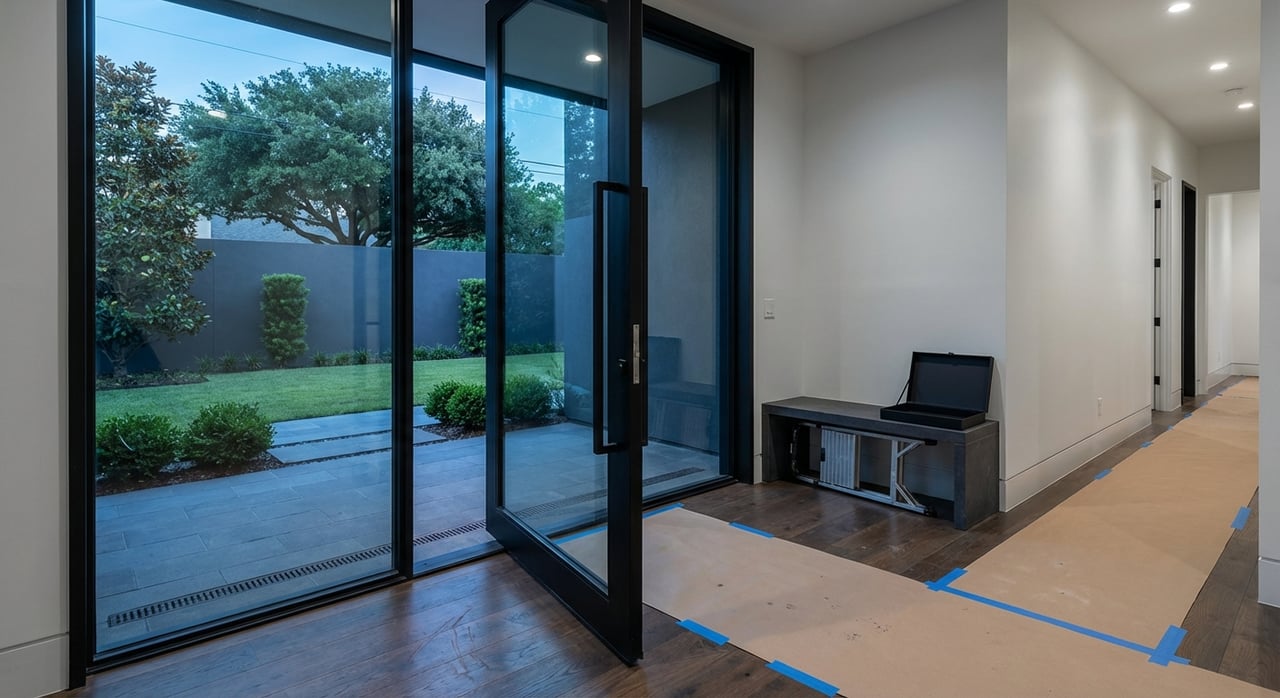
What buyers prioritize here often starts outside the walls. Large wooded lots, privacy, mature trees, indoor‑outdoor flow, and proximity to Memorial Park and the Galleria or Energy Corridor carry real weight. Elevation, drainage, and lot lines can influence both confidence and insurance. Plan to highlight these strengths and address any flood or financing questions early.
Get your paperwork in order
Strong prep reduces surprises and speeds up decisions once your home is live. Start a digital folder and gather:
- Seller’s Disclosure Notice and any updates
- Permits, variances, architectural approvals, and warranties
- Flood documents: FEMA Flood Map, Elevation Certificate if available, and any flood‑insurance declarations or past claim history
- Recent property tax statement and appraised value information
- Title documents showing recorded deed restrictions
Texas requires most residential sellers to provide a written Seller’s Disclosure Notice. If you do not deliver it on time, buyers often have a statutory right to terminate within a short window. Review the requirement and timing on the TREC site (Texas Seller’s Disclosure rules).
Each Village and many subdivisions enforce deed restrictions that govern fences, exterior materials, pool enclosures, gates, and tree removal. Many exterior changes require architectural control committee review plus a village permit. Before you paint a fence, add a gate, or adjust hardscape to improve show appeal, confirm the path with your village office and review recorded covenants. This primer is a helpful starting point (Memorial Villages deed restrictions explained).
Flood risk and elevation matter here. FEMA’s current Risk Rating 2.0 sets premiums by building, so two nearby properties can have very different insurance costs. Pull your FEMA panel and request any Elevation Certificate from prior surveys. Start at FEMA’s Flood Map Service Center (FEMA Flood Map lookup). For local context on how elevation can shape value in the Villages, you can also review this analysis (How flood risk and elevation shape Memorial Villages values).
Inspect first, then repair with intent
For high‑value homes, a pre‑listing inspection is one of the best investments you can make. Order a general home inspection plus targeted specialty checks such as a roof certification, pool inspection, sewer‑scope, and termite letter. If flood is a concern, confirm finished‑floor elevation. A pre‑listing inspection lets you set the schedule, choose contractors, and avoid tense re‑negotiations later (What a pre‑listing inspection covers).
Common pressure points in the Villages include roof age and membranes, HVAC capacity and zoning, electrical panel upgrades, drainage or grading, tree‑root impact on hardscape, and pool equipment. Buyers often ask about attic ventilation, foundation drainage, and utility locations relative to finished floor. Review this neighborhood guide for additional local considerations (Memorial Villages neighborhood overview).
Use a simple repair framework:
- Safety or lender blockers. Resolve electrical hazards, major roof leaks, or structural issues before you list.
- Major functional items. If an HVAC system is near end of life or a plumbing leak exists, either repair or secure firm bids and be ready to offer a credit. Choose based on timing and current market heat.
- Cosmetic items. Skip heavy remodels unless they materially improve comps. Focus on paint, lighting, hardware, and landscaping polish that elevate first impressions.
Stage for impact
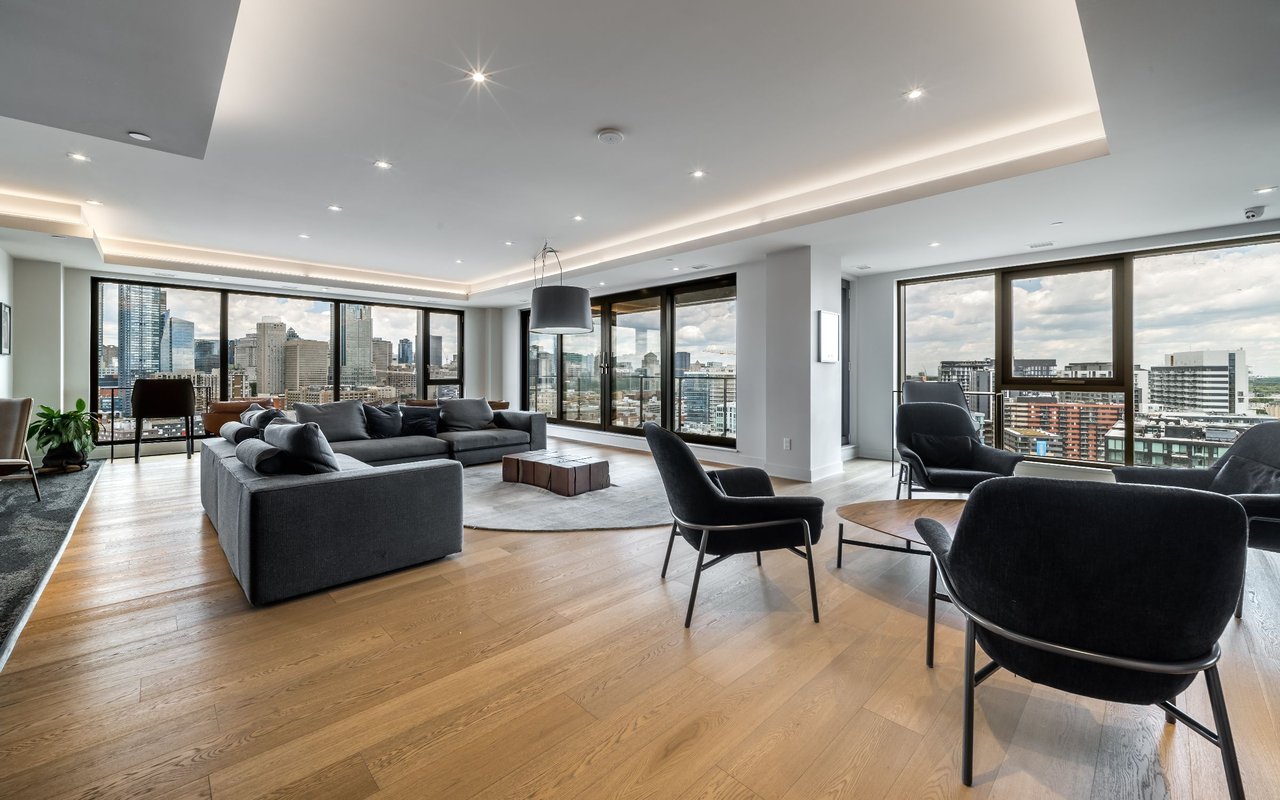
Thoughtful staging helps buyers see how spaces live and can shorten days on market. Buyer surveys show staging meaningfully influences perception in many cases and can support stronger offer prices in practice. If time or budget is tight, prioritize the living room, kitchen, and primary suite. Keep the palette neutral and highlight views to the yard and trees. For data and practical tips, see NAR’s staging resources (NAR on home staging).
Consider your approach:
- Full or partial staging for key rooms using a luxury stager
- Owner furniture edited with select rental accents to modernize scale and color
- Virtual staging for a few rooms if vacancy or timing demands it, with clear MLS disclosure
For privacy, remove personal photos and valuables. If discretion is a priority, use neutral art, off‑site stored collections, and temporary window treatments.
Invest in photography and assets
Hire a photographer who specializes in luxury homes. Your visual package should include:
- Professional stills with accurate color and scale, plus a twilight set that showcases the landscape and elevation
- A measured floor plan and a 3D tour for relocation buyers
- Drone imagery if it adds value for lot size, tree canopy, and backyard amenities, taken by a certified operator who complies with FAA rules and any village guidance
Create a property packet to support serious buyers. Include the floor plan, a list of recent upgrades and permits, the Elevation Certificate if available, and a summary of typical operating costs. Well‑organized documentation builds confidence and helps ready buyers move quickly. For examples of polished luxury marketing and local neighborhood context, review this Houston guide (Memorial Villages neighborhood overview).
Choose the right marketing lane
Decide early how public you want your launch to be. A quiet, off‑market path can protect privacy, although it reduces exposure. In a strong luxury market, a tight public launch period with broker previews and controlled showing windows can create healthy pressure while preserving discretion. Rules on off‑MLS marketing and Clear Cooperation vary by association, so confirm your agent’s plan and obligations before you commit to a route. For perspective on association policy updates, see this industry resource (Association news and policy updates).
For showings, set clear protocols:
- Appointment windows with limited overlap
- Escorted visits only for high‑value estates
- Pre‑qualification or buyer‑agent confirmation before entry
- A showing log and ID verification for any unaccompanied agents
These steps reduce disruption and help protect your home during market exposure. They also signal to buyers that the process is professional and organized.
Time your launch
Seasonality still matters. Spring often attracts family buyers who plan around the school calendar, and early spring listings usually see more activity. If you want a targeted, quiet sale or need to align with a larger move, coordinate staging, photography, and a broker preview on a tight timeline. In many luxury segments, one to two weeks from staging install to go‑live is common. Let current MLS data guide your exact launch day and pricing strategy.
Eight‑week prep timeline
Use this as a practical roadmap you can tailor with your agent:
- Weeks 8 to 6 out
- Gather deed restrictions, permits, tax records, warranties, and any flood or elevation documents.
- Order a general pre‑listing inspection and any specialty reports you need.
- Weeks 6 to 4 out
- Complete safety and code repairs. Address major functional items or collect formal bids for possible credits.
- Confirm any exterior changes comply with village permits and architectural approvals.
- Weeks 3 to 2 out
- Deep clean, declutter, and store valuables off‑site.
- Install staging and schedule photography and drone services if used.
- Week 1 out
- Host a broker preview with a polished property packet.
- Finalize pricing and launch plan based on the latest comps and elevation or flood considerations.
- Launch week
- Go live with a controlled showing schedule.
- Review offers within a short, defined window if the market supports it.
Upfront cost ranges
Every property is different, but here is a rough sense of typical line items so you can budget:
- General pre‑listing home inspection: roughly 300 to 800 dollars, higher for large estates (source: Effective Agents guide)
- Specialty reports: Elevation Certificate, roof certification, or sewer‑scope can range from 200 to 1,200 dollars each depending on scope (source: FEMA resources and local vendors)
- Luxury staging: partial staging for key rooms often 3,000 to 15,000 dollars, full‑home programs higher (source: NAR staging guidance)
- Professional photography, floor plan, and a 3D tour: roughly 600 to 2,500 dollars based on scope and team
Your agent can provide local quotes and help right‑size the spend for your price point and timeline.
What to have ready for your agent
- Completed Seller’s Disclosure Notice and any prior inspection reports
- Permits, variances, warranties, and architectural approvals
- FEMA panel, Elevation Certificate if available, and insurance declarations
- Recent tax statement and a list of operating costs you are comfortable sharing
- A short list of completed repairs and upgrades with dates and invoices
- Preferred showing windows, privacy preferences, and a draft showing protocol
A well‑prepared file speeds buyer diligence and helps your listing stand out as low risk and move‑in ready.
If you want a discreet, end‑to‑end plan for preparing and launching your Memorial Villages estate, we can help coordinate inspections, staging, photography, and a marketing strategy that fits your goals. Start the conversation with Hedley Karpas for a private consultation.
FAQs
What makes selling in the Memorial Villages different from Houston city listings?
- The Villages are independent municipalities with their own permitting, deed‑restriction enforcement, and services. Confirm village approvals for exterior work and gather restrictions from your title documents. Start with this overview of local structure and rules for context.
Do I need to provide a Texas Seller’s Disclosure for a Memorial Villages estate?
- In most cases, yes. Texas law requires a Seller’s Disclosure Notice for residential sales, and late delivery can give buyers a short termination right. Review the requirement and timing on TREC’s site and plan disclosure delivery with your agent.
How does flood elevation affect pricing and insurance in the Villages?
- FEMA Risk Rating 2.0 sets premiums by building, so elevation and site specifics matter. Pull your FEMA map, request any Elevation Certificate, and share available details with buyers. Local analysis shows elevation can influence value in the Villages, so address it early in your materials.
Is an off‑market or pocket listing a good idea in Memorial Villages?
- It can be effective for confidentiality, though it reduces exposure. A short public launch with broker previews can balance privacy and competition. Confirm your agent’s approach and association obligations, since off‑MLS marketing is governed by Clear Cooperation rules.
Which rooms should I stage in a high‑end Memorial Villages listing?
- Prioritize the living room, kitchen, and primary suite. Keep the palette neutral and highlight views to the lot and outdoor spaces. Buyer surveys indicate staging can shape perception and support stronger outcomes, especially when time and budget focus on key rooms.