Thinking about buying a rental in River Oaks, Texas, but unsure how to size up the numbers? You are not alone. Small cities can be tricky because data is thin, rent estimates vary by source, and expenses like taxes and insurance can shift your returns. In this guide, you will learn how to evaluate River Oaks rentals with practical, local inputs, stress tests, and a simple framework that helps you avoid surprises. Let’s dive in.
Why River Oaks merits a closer look
River Oaks is a small city in Tarrant County with about 7,600 residents and a high owner‑occupancy rate near 77 percent. Median household income trends around $63,500, and average household size is about 3.06 people. These facts point to a community with many long‑term owners and a limited pool of rentals, which can affect leasing velocity and turnover timing. You can confirm these baseline numbers in the U.S. Census QuickFacts for River Oaks city, Texas here.
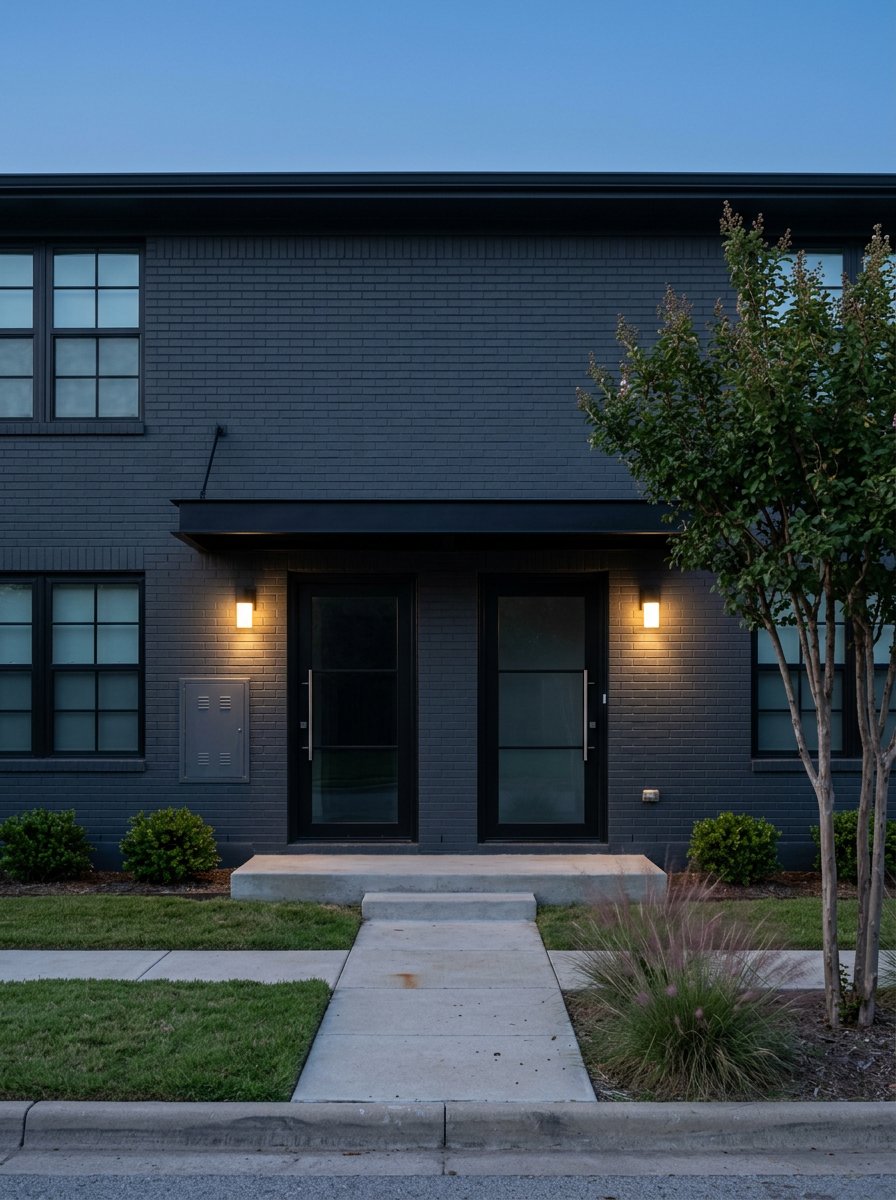
Most properties are single‑family homes, often mid‑20th‑century builds. That means your rental search will likely focus on 2–3 bedroom houses rather than large apartment communities. For parcel details, assessed values, and permit history, use the Tarrant Appraisal District’s search tool to pull property‑specific records via TAD.
What rents look like today
Rent snapshots for River Oaks vary by data vendor because the market is small. Recent platform views show a broad market band roughly from about 1,000 to the upper 1,900s per month, depending on the sample. A recent Zillow snapshot showed an observed average near 1,750 for the city, while ZIP‑level services that include nearby Fort Worth (76114) often report medians in the mid‑1,300s to mid‑1,600s.
How to use this: build your own 6 to 12 comparable set from recent listings and lease transactions, adjust for beds, baths, condition, and location within one mile, then carry that range into your underwriting. In a small city, you should plan for variance and avoid relying on a single automated estimate.
Metro supply and vacancy pressures
The Dallas–Fort Worth apartment market delivered a large wave of new supply in 2023 and 2024. Reports show metro‑level vacancy in the 11 to 12 percent range in 2025, with concessions most common at newer Class A properties. Single‑family rentals in suburban pockets like River Oaks are partially insulated, but metro pricing pressure can still ripple into small multifamily or higher‑spec homes. For context, see this DFW multifamily update from M&D CRE.
On the demand side, steady DFW job growth supports renter demand over the medium term. The Bureau of Labor Statistics’ Dallas–Fort Worth releases outline recent gains in the Fort Worth–Arlington division. You can review the metro employment trend in the BLS area release here.
Underwrite with local numbers
Your goal is to set a conservative base case, then pressure‑test it. Start with a rent range from comps, then layer in vacancy, realistic expenses, and lender metrics like DSCR.
Income assumptions
- Build a rent range, not a single number. For 2–3 bedroom single‑family homes in River Oaks, a practical working range is about 1,200 to 1,900 per month depending on finishes and location. Move your estimate only after you collect 6 to 12 recent comps.
- Vacancy and credit loss: budget 6 to 10 percent for single‑family. Increase toward the high end if you are buying a small multifamily or if you see active concessions nearby. Many investors double the market vacancy as a conservative pro forma rule of thumb. For a quick rationale on conservative vacancy budgeting, review this overview from StationLM here.
Expense assumptions
- Property taxes: compute from the Tarrant Appraisal District record and the exact taxing units that apply to your parcel. In practice, investors often see an effective range in the 1.4 to 1.8 percent band, but your bill depends on assessed value and exemptions. Pull your parcel and prior bills through TAD.
- Insurance: budget 1,200 to 2,500+ per year for a typical single‑family home in Tarrant County, then replace the placeholder with two to three real quotes. Texas premiums run higher than many states. You can scan example rates for Tarrant County here.
- Property management: expect 8 to 12 percent of collected rent for full service, plus common leasing fees around half to one month’s rent. Program details vary, so confirm what is included. For a fee overview, see LeaseRunner’s guide here.
- Maintenance and repairs: reserve 4 to 8 percent of gross rent as a starting point and adjust for age and condition.
- CapEx reserves: set aside 5 to 7 percent of gross rent, or use a fixed monthly figure based on roof, HVAC, and major systems. These investor rules of thumb are summarized well by BiggerPockets here.
- Utilities and lawn care: confirm which items the landlord pays and request the last 12 months of bills if available.
Financing and lender metrics
- DSCR expectations: many investor lenders look for minimum DSCR in the 1.2 to 1.25 range for favorable terms. Programs can allow lower DSCR with more equity or higher rates, but terms will change. A plain‑English DSCR primer is available here.
- Leverage and rate: model several LTVs and interest rates, then confirm current quotes with target lenders before you offer.
Example: does a typical deal cash flow?
Below is a conservative, illustrative pro forma. Use it as a method, not a prediction, and replace every input with real comps and quotes.
Assumptions
- Purchase price: 263,000
- Estimated rent: 1,750 per month
- Vacancy and credit loss: 7 percent
- Property tax: example effective rate 1.48 percent of purchase price
- Insurance: 1,500 per year
- Management: 10 percent of collected rent
- Maintenance: 5 percent of gross rent
- CapEx reserve: 5 percent of gross rent
- Financing: 75 percent LTV, 6.5 percent rate, 30‑year amortization, payment about 1,246.75 per month
Calculations (annual)
- Gross scheduled rent: 1,750 × 12 = 21,000
- Vacancy at 7 percent: 1,470, so effective gross income = 19,530
- Operating expenses: tax about 3,892, insurance 1,500, management 2,100, maintenance 1,050, CapEx 1,050. Total about 9,592
- NOI: about 19,530 minus 9,592 = 9,938
- Annual debt service: about 1,246.75 × 12 = 14,961
- Cash flow before tax: about 9,938 minus 14,961 = negative 5,023
- DSCR: NOI divided by debt service = about 0.66
What it means: at these sample inputs, the deal does not meet common DSCR targets and produces negative cash flow. To make it work, you would need a lower purchase price, a higher achievable rent, lower leverage, or a better rate. This is why local comps, TAD‑based tax math, and current insurance quotes matter before you write an offer.
Stress test before you offer
Run at least three scenarios so you know your breakpoints.
- Base case: your best estimate of rent, vacancy, and expenses.
- Conservative case: rent 10 percent lower, vacancy two to four points higher, and expenses 10 percent higher.
- Interest rate shock: recalc debt service if your rate is 200 to 300 basis points higher.
Tip: if a lender requires DSCR of 1.25, compute Debt Service × 1.25 to find the NOI you must reach. That target makes your negotiation path clear.
Due‑diligence checklist
Use this quick list to organize your pre‑offer work:
- Pull 6 to 12 recent lease comps within one mile and six months. Adjust for size, baths, and finishes.
- Run the parcel in the Tarrant Appraisal District for assessed value, tax history, and any linked permits. Start your tax bill math with TAD.
- Get two to three homeowners insurance quotes specific to the property. Review Tarrant County insurance examples here.
- Request a property‑manager brief on expected vacancy, lease‑up times, screening thresholds, management fee, and leasing fee. For a fee overview, see this primer.
- Order a professional inspection. Confirm any floodplain exposure along the Trinity River corridor and review local code requirements.
- Build a three‑scenario pro forma and check DSCR against lender programs. For a plain‑English DSCR explainer, use this resource.
- Review Texas Property Code Chapter 92 for baseline landlord rules such as security‑deposit accounting and timelines so your lease and processes align with statute. You can start with the state’s online code here.
Who rents in River Oaks
Census data point to a high share of family households and an average household size around 3.06. The city is served by Castleberry ISD, and many renters will prioritize functional layouts with 2 to 3 bedrooms, parking, and basic updates. Tailor your finish level to durable, low‑maintenance materials that photograph well and stand up to heavier use.
The bottom line
River Oaks can work for buy‑and‑hold investors, but the numbers demand discipline. Start with a cautious rent range, underwrite taxes and insurance from local sources, and test DSCR across multiple scenarios. Given recent DFW supply trends, factor in slower lease‑ups or light concessions, especially if you are competing with newer units nearby.
If you want a seasoned perspective on pricing, prep, and tenant positioning for a Texas rental purchase, reach out to Hedley Karpas. We bring a measured, concierge approach to investor and relocation transactions and can connect you with trusted local partners when you need on‑the‑ground support.
FAQs
What should I know about River Oaks rental demand?
- River Oaks is a small, mostly owner‑occupied city with many family households, so expect steady interest in 2 to 3 bedroom single‑family homes rather than high apartment turnover.
How do new DFW apartments affect River Oaks rents?
- Elevated metro supply pushed DFW vacancy into the low teens in 2025, which increased concessions at newer properties. Single‑family rentals feel some pressure but less than Class A apartments. See the market update here.
How do I estimate Tarrant County property taxes for a rental?
- Pull your parcel in the Tarrant Appraisal District, confirm assessed value and taxing units, then compute the bill from those rates. Start with TAD’s search tool.
What DSCR do lenders typically require for a Texas rental loan?
- Many investor lenders look for DSCR around 1.2 to 1.25 for strongest terms. Some allow lower DSCR with more equity or higher rates. A simple DSCR guide is available here.
What is a conservative vacancy assumption for River Oaks single‑family rentals?
- A 6 to 10 percent vacancy and credit‑loss budget is a common conservative range for single‑family rentals. For context on conservative underwriting, review this summary here.
What are typical property management fees in the area?
- Full‑service management often runs 8 to 12 percent of collected rent, plus a leasing fee near half to one month’s rent. You can scan fee basics here.
What rental operating costs should I reserve for repairs and big items?
- Many investors budget 4 to 8 percent of gross rent for routine maintenance and 5 to 7 percent for capital reserves, then adjust for property age. See a summary of these rules of thumb here.