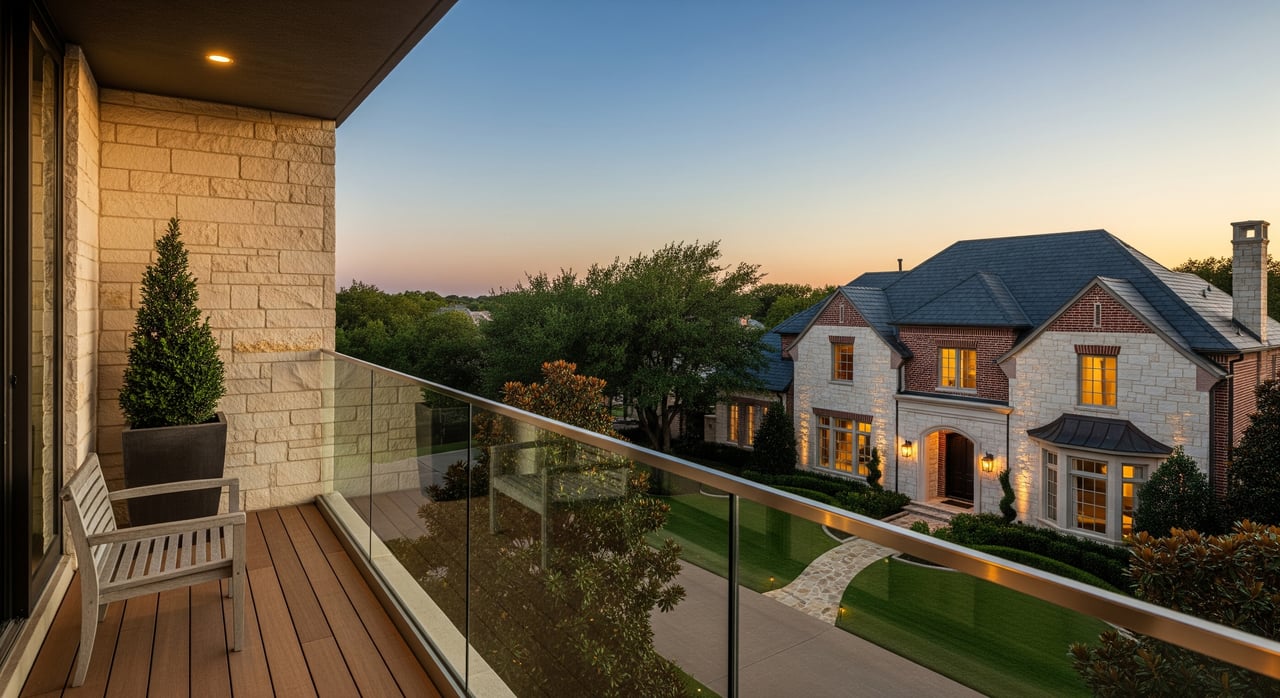
Thinking about a move in Tanglewood but stuck between a condo and a single‑family home? You are not alone. Each offers a different pace, cost structure, and level of hands‑on upkeep, and the right choice depends on how you want to live day to day. In this guide, you will learn the practical trade‑offs, key ownership differences in Texas, and a smart checklist to use before you ever schedule a tour. Let’s dive in.
Housing options in Tanglewood
Tanglewood offers a mix of property types, so you can match your lifestyle to the right fit:
- High‑rise and mid‑rise condominiums with shared amenities and a single HOA.
- Low‑rise condos and townhomes that feel more residential but still have an HOA.
- Single‑family detached homes on individual lots, with or without a neighborhood HOA.
Inventory and pricing can shift quickly between condos and single‑family homes. Check recent MLS data for days on market, owner‑occupancy ratios in condo buildings, and pricing trends by property type before you set a strategy.
Lifestyle trade‑offs to consider
Maintenance and upkeep
- Condos: The HOA usually covers exterior elements, common areas, landscaping, and building systems. You handle interior upkeep. You trade weekend chores for a monthly fee, which may include some utilities.
- Single‑family: You manage everything, inside and out. That means yardwork, roof and exterior repairs, and all systems. You gain control but take on the time and cost.
Privacy and noise
- Condos: You share walls, floors, and hallways, so some sound transfer is expected. Higher floors tend to be quieter. Controlled access can add peace of mind.
- Single‑family: A private yard and greater separation from neighbors typically offer more privacy and less noise.
Space and flexibility
- Condos: Storage is often limited, and renovations can be subject to building rules. Balconies vary in size and use.
- Single‑family: More room to grow, with garages, attics, and yards. Expansions or remodels are often easier, subject to local rules or HOA guidelines.
Amenities and services
- Condos: Fitness rooms, pools, concierge, package rooms, and controlled access are common. These raise convenience and can build community, but they add to HOA dues.
- Single‑family: You can design your own amenities, like a private pool or outdoor kitchen, but you carry the cost to install and maintain them.
Location and parking
- Condos: Often closer to dining, retail, and services. Parking is usually assigned and guest parking can be limited.
- Single‑family: Driveways and garages simplify parking and guest access. You may trade some walkability for more space.
Ownership and costs in Texas
HOA structure and documents
If you are considering a condo, review the association’s health before you write an offer. Request and read:
- Declaration/CC&Rs, bylaws, and rules and regulations
- Current operating budget and reserve study
- Year‑end financials and reserve balance
- Insurance certificates and maintenance history of key building systems
- Board meeting minutes from the last 12 months
- Information on delinquency rates, special assessments, and any pending litigation
Pay attention to what dues cover, how often the board meets, whether the building is professionally managed, and the owner‑occupancy ratio. These factors can affect financing, resale, and monthly costs.
Insurance basics
- Condos: You typically buy an HO‑6 policy for interior finishes, personal property, and liability. Confirm if the HOA’s master policy is “all‑in” or “bare‑walls,” because that changes what you need to insure.
- Single‑family: You usually purchase an HO‑3 policy for the structure, detached structures, personal property, and liability.
Across Tarrant County, confirm wind and hail coverage and check for any flood risk. Review Texas Department of Insurance resources and local floodplain maps so you understand your exposure and options.
Property taxes and exemptions
Texas has no state income tax, so property taxes fund many local services. In Tarrant County, multiple entities levy taxes. If you live in the home as your primary residence, the homestead exemption can reduce your taxable value. Review current guidelines with the Tarrant Appraisal District and county tax office before you finalize your budget.
Financing and resale
- Financing: Some lenders require condo project approval for FHA or VA loans. If program approval matters to you or your future buyer pool, verify a building’s status early.
- Resale: Single‑family homes often appeal to a broader audience, which can help liquidity. Condo resale can be influenced by HOA fees, reserve strength, rental policies, and special assessments. In walkable areas with strong demand, well‑managed buildings can perform well over time.
What downsizers often value
If you want less upkeep and easy living, a condo can be a strong fit. You gain elevator access, controlled entry, and on‑site amenities that simplify daily life. Walkability and services close by can reduce driving. The trade‑offs are less storage and less privacy. Review HOA governance and financials closely so you understand fees and building plans for major repairs.
What upsizers often value
If you need more bedrooms, a home office, or a yard for pets or outdoor time, a single‑family home usually offers more flexibility. You can reconfigure space as needs change and store gear in a garage or attic. You take on maintenance, but you gain control over finishes, landscaping, and future additions, subject to local guidelines.
Pros and cons at a glance
- Condos:
- Pros: Lower hands‑on maintenance, amenities, controlled access, walkable settings.
- Cons: HOA dues, shared walls, storage limits, rules for renovations and rentals.
- Single‑family homes:
- Pros: More space and privacy, flexible use, easier renovations, private outdoor areas.
- Cons: Full maintenance responsibility, higher time and cost to manage systems and yard.
Pre‑tour checklist
Verify before touring
- Compare the MLS factsheet to public records for square footage, beds/baths, and HOA fees.
- Note year built and recent major improvements like roof, HVAC, plumbing, and windows.
- For condos: confirm management company, number of units, owner vs renter ratio, and recent sale history.
- For single‑family: review lot lines, easements, drainage, and any pest or foundation history.
Condo questions to ask
- What do the monthly dues cover, including utilities and internet?
- What is the reserve balance and date of the latest reserve study?
- Any special assessments in recent years or planned projects ahead?
- Current dues delinquency rate and any pending litigation?
- Rental rules, including caps and minimum terms, and pet policies.
- Parking arrangements, guest parking rules, and storage options.
- Security measures and elevator maintenance history.
- FHA or VA project approval status if relevant to your lending.
Single‑family questions to ask
- Age and condition of roof, HVAC, plumbing, and electrical systems.
- Any neighborhood HOA or deed restrictions, and if so, request documents.
- Average utility costs and typical maintenance needs for the yard and exterior.
- Floodplain status and any history of insurance claims.
- Typical traffic or noise patterns at different times of day.
On‑site inspection tips
- Condos: Listen for sound transfer, check elevator wait times, review common areas, inspect balconies and windows, and look for signs of water intrusion.
- Single‑family: Assess yard drainage, driveway and fence condition, roofline and gutters, window age, and any signs of settling or cracks.
How to decide with confidence
Start with your non‑negotiables. If low maintenance, controlled access, and amenities top your list, a condo can deliver daily convenience. If privacy, flexible space, and a yard matter most, a single‑family home likely fits better. Build your short list by verifying HOA strength for condos and system ages for houses, then tour with a clear checklist. A focused approach will help you avoid surprises and move ahead with clarity.
Ready to compare options with a measured plan and a trusted advisor? Connect with Hedley Karpas for a discreet, results‑driven consultation tailored to your goals.
FAQs
What are the main cost differences between condos and houses in Tanglewood, Fort Worth?
- Condos shift exterior upkeep into HOA dues, which may include some utilities, while single‑family homes have lower fixed dues but higher variable costs for yard, roof, and systems.
How do HOA rules affect condo ownership in Tanglewood?
- HOA rules control renovations, rentals, pets, and use of common areas, and the association’s reserves and assessment history can impact fees, financing, and resale.
What insurance do I need for a Tanglewood condo vs a house?
- Condo owners usually need an HO‑6 policy that pairs with the building’s master policy, while single‑family owners typically carry an HO‑3 policy covering the structure and liability.
Do FHA or VA loans work for condos in Tarrant County?
- Some lenders require building approval for FHA or VA loans, so check a condo’s project status early if you plan to use those programs.
How does the homestead exemption help in Tarrant County?
- If the home is your primary residence and you qualify, the homestead exemption can reduce the taxable value used to calculate your property taxes.
What should downsizers prioritize when touring Tanglewood condos?
- Focus on elevator access, security, HOA financials, monthly dues coverage, parking and storage, and noise levels on the floor and in common areas.
What should upsizers look for in Tanglewood single‑family homes?
- Evaluate floor plan flexibility, storage and garage space, yard size, system ages, drainage, and any neighborhood rules that affect future projects.